The digital marketing landscape never stands still, and 2025 is all about connection, authenticity, and creativity. From bite-sized video content to interactive brand experiences, here are five trends that are dominating the scene , and how brands can use them to their advantage.
1. Shift Towards Authentic and Engaging Experiences
Gone are the days of overly polished, corporate messaging. Consumers now want real, unfiltered stories, behind-the-scenes glimpses, and honest interactions. Brands that show their human side are finding it easier to build trust and loyalty.
Example: Duolingo’s playful, self-deprecating TikToks feel authentic and relatable, which keeps their audience engaged beyond the app itself.

Audiences crave real moments, behind-the-scenes glimpses like this help brands feel human and relatable.
2. Rise of Short-Form Video
TikTok, Instagram Reels, and YouTube Shorts aren’t just trends—they’re where most user engagement is happening. Short-form video is the perfect tool for storytelling, quick product demos, and boosting brand awareness.
Example: Gymshark uses short, snappy workout clips and athlete stories to connect with both fitness enthusiasts and casual viewers.
https://www.tiktok.com/@abbiedennisonfit/video/7373768291099200801
3. Influencer Marketing with Micro- and Nano-Influencers
Mega-influencers have reach, but micro (10K–100K followers) and nano (under 10K) influencers often have deeper trust and engagement with their audience. Their recommendations feel more like advice from a friend than a paid ad.
Example: Skincare brand Glossier has built a loyal community by working with small influencers who share personal experiences rather than scripted endorsements.
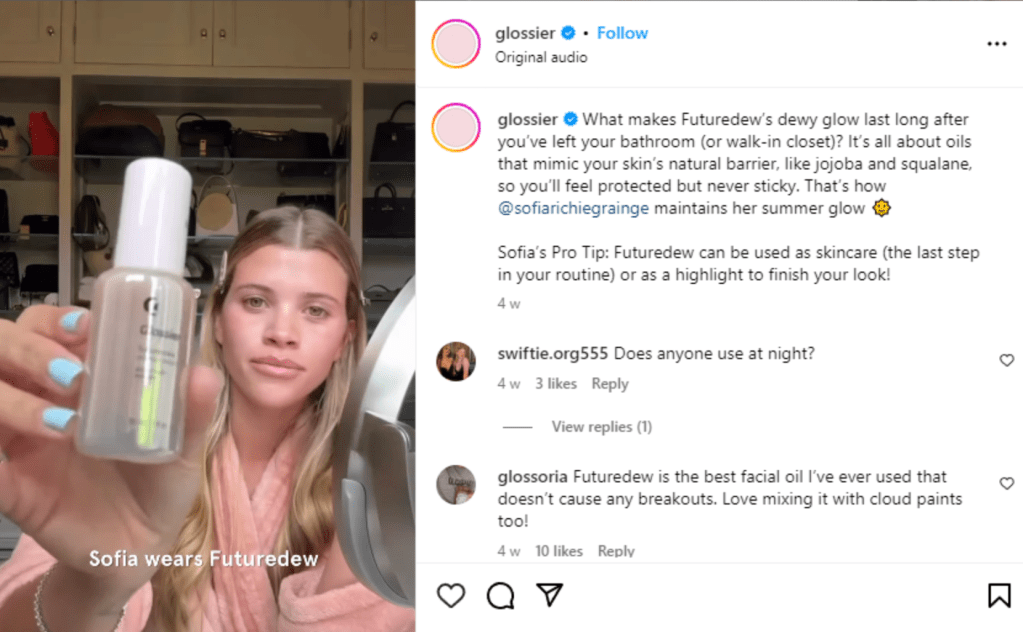
Glossier’s influencer strategy leans on authentic, personal recommendations from creators who feel like trusted friends, even at a smaller scale.
4. Emphasis on Brand Storytelling
Storytelling isn’t new, but it’s more important than ever. Brands are weaving narratives that reflect their mission, values, and purpose, helping consumers connect on an emotional level.
Example: Patagonia’s marketing focuses less on selling clothes and more on their environmental activism, turning customers into brand advocates.
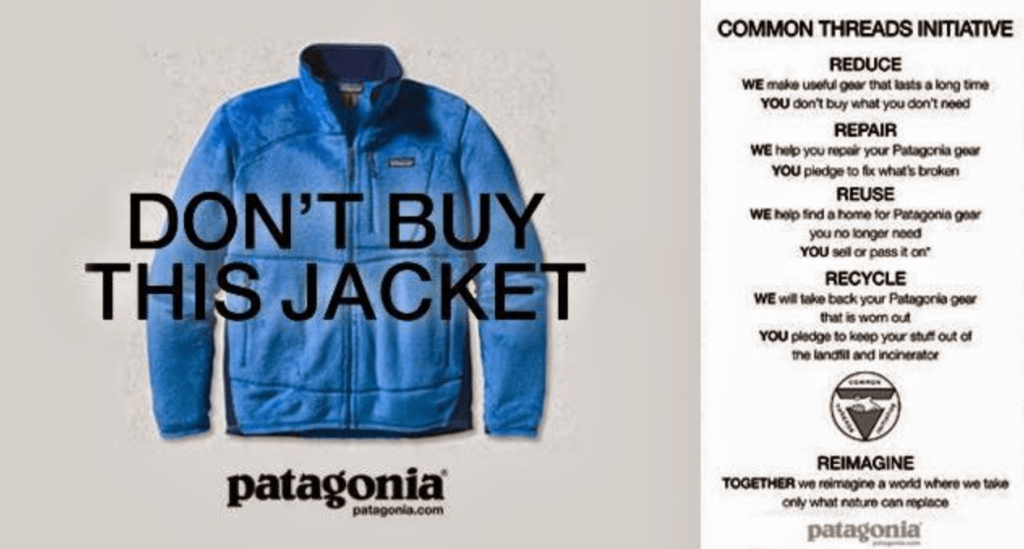
Patagonia’s ‘Don’t Buy This Jacket’ campaign shows how strong brand storytelling can align perfectly with company values, building loyalty through authenticity.
5. Interactive and User-Generated Content
From polls and quizzes to AR try-on filters, interactive content keeps audiences engaged while giving brands valuable insights into preferences. Pair this with UGC, and you get an authentic community-driven marketing engine.
Example: Starbucks’ seasonal drink challenges encourage customers to share photos of their custom orders, creating a flood of organic brand content.
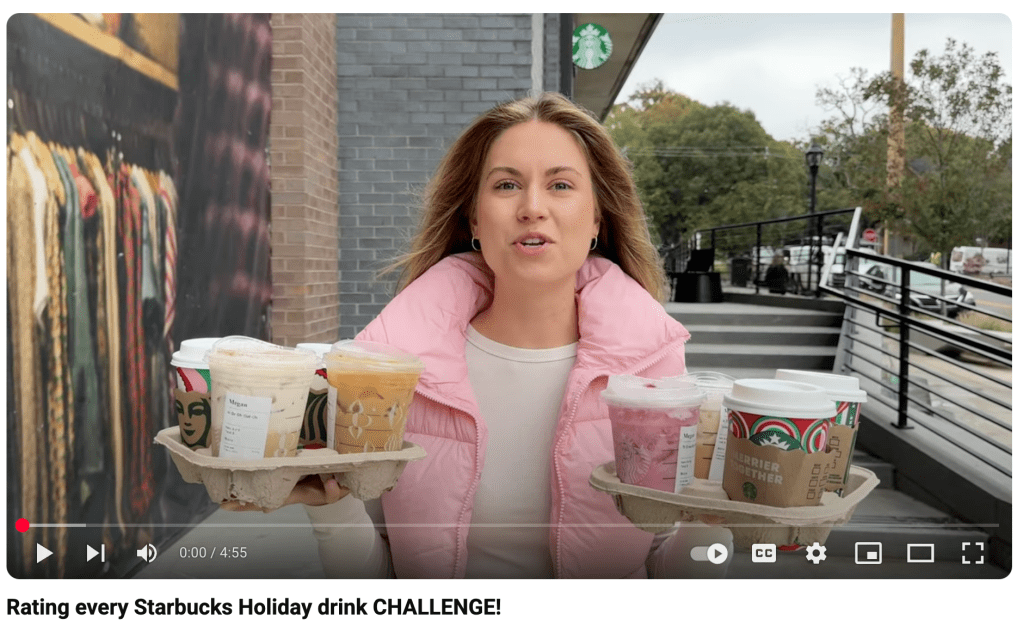
Starbucks’ seasonal drink challenges spark user participation and organic content sharing online.
Final Takeaway:
The brands winning in 2025 are those that focus on authenticity, participation, and storytelling. Whether you’re creating a 10-second TikTok or launching an interactive campaign, the goal is to make your audience feel seen, heard, and part of your brand’s journey.
 Mansi's Blog
Leave a comment