
In a world where every scroll, click, and swipe is recorded, your marketing can’t afford to rely on guesswork. Gut feelings are great for picking brunch spots, not marketing strategy. That’s where data-driven marketing comes in.
It’s not just a buzzword anymore, it’s the baseline.
So… What Is Data-Driven Marketing?
In simple terms, data-driven marketing is using insights from actual data (like user behavior, demographics, past purchases, clicks, etc.) to make smarter marketing decisions.
Instead of saying, “Let’s post this because it feels right,” you’re saying, “Let’s post this because we’ve seen that this type of content gets 3x the engagement with our audience.”
It’s marketing that listens before it speaks.
Why It Matters Right Now
2025 isn’t the same playground it was even a few years ago. We’re marketing in a climate of:
1.Privacy-first internet (bye-bye, third-party cookies)
2.Higher expectations from customers (they want relevance, not spam)
3.More pressure to prove ROI (especially in agencies)
4.AI and automation needing clean, accurate data to actually be useful
If you’re not leveraging data, you’re just hoping. And hope is not a strategy.
Real Benefits of Going Data-First
Let’s get tactical. Why does this matter?
- Better Targeting: Speak directly to your ideal customer, not the void.
- Smarter Creative Decisions: Know which headlines, formats, or CTAs work best, backed by numbers.
- Faster Optimizations: Real-time campaign performance means quicker pivots.
- Deeper Customer Understanding: Uncover what they care about, when they buy, and how they convert.
- More Efficient Budgets: No more wasting ad spend on people who don’t care.
Where Do You See It in Action?
Everywhere. Some examples:
- Spotify Wrapped: A personalized data moment people wait for every year.
- Netflix: Their content recommendations are 100% algorithmically driven.
- Ecommerce retargeting: Abandoned cart emails? Recently viewed item ads? That’s data at work.
- Social Media Ad Campaigns: Interests, behaviors, custom audiences, if you’ve run a Meta campaign, you’re already in the data game.
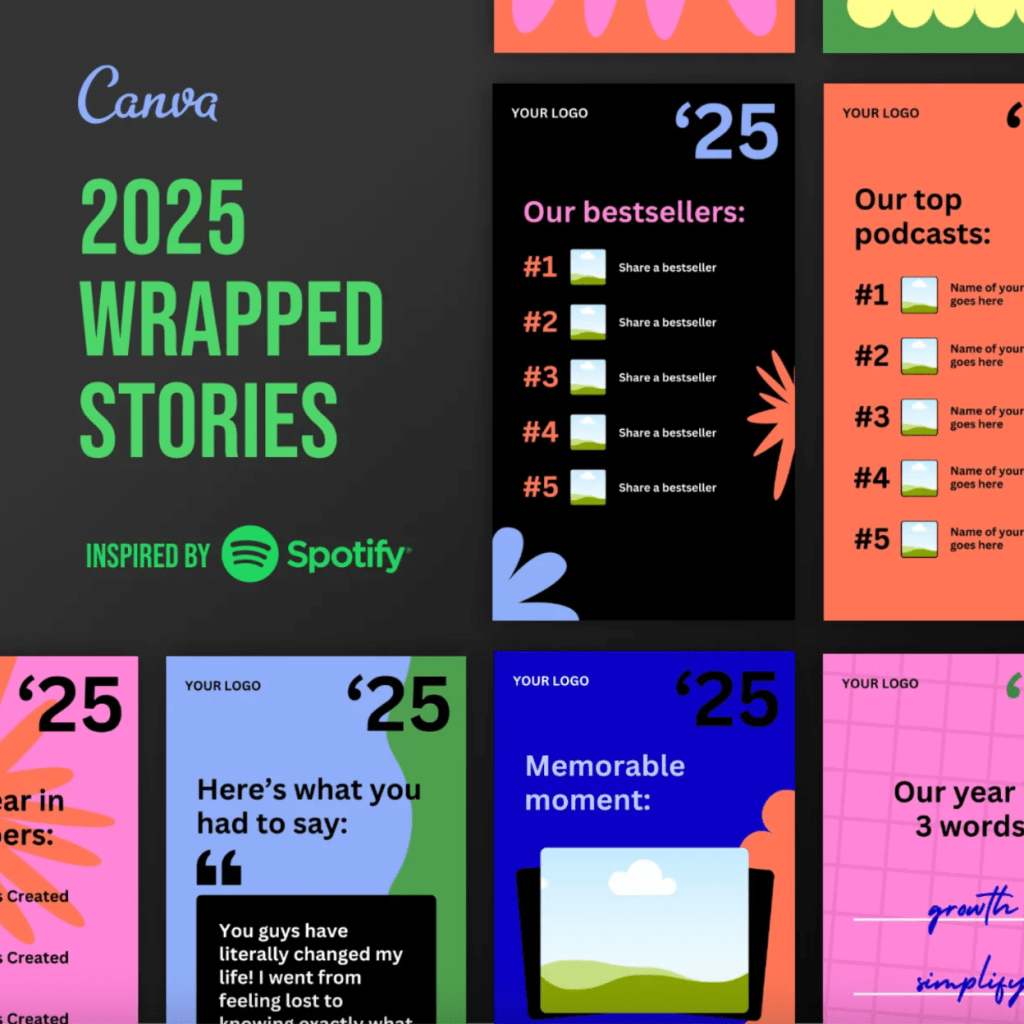
Canva’s Spotify-Wrapped-style recap is a perfect example of how data storytelling meets brand identity.
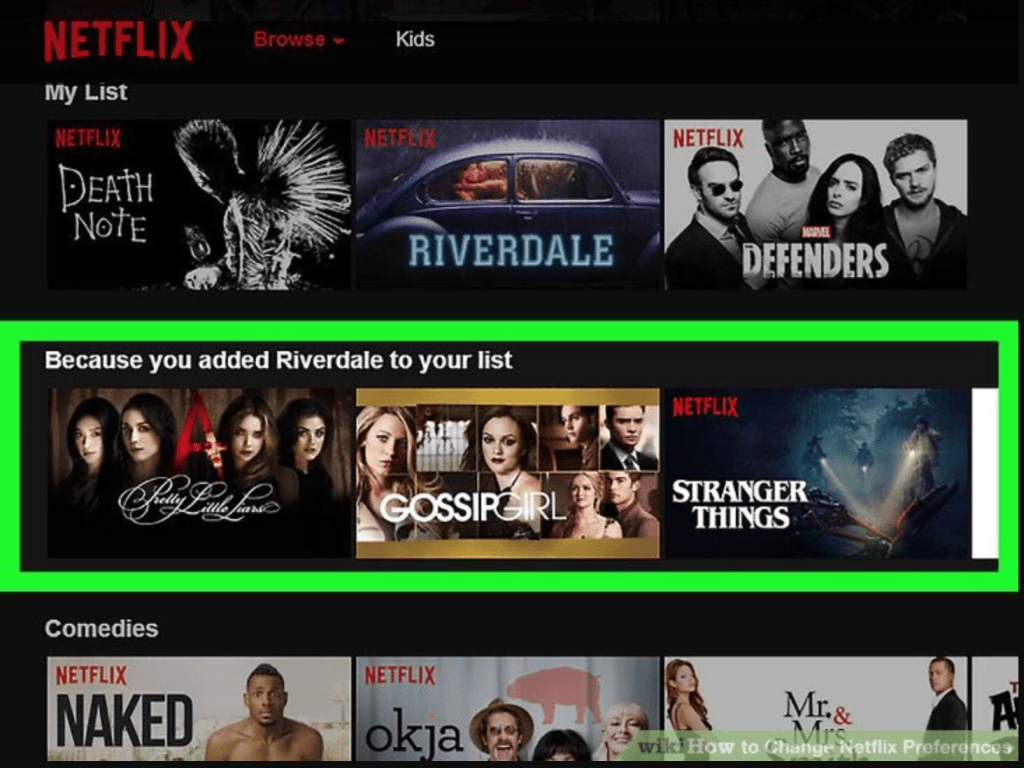
Netflix knows your vibe.
This hyper-personalized recommendation engine is data-driven marketing at its finest, turning viewer habits into instant engagement.
Tools That Make It Happen
If you’re just starting out or curious, these are good entry points:
- Google Analytics – to track website traffic and user behavior
- Google Ads / Meta Ads Manager – to see ad performance and adjust based on real metrics
- HubSpot / Mailchimp – email platforms with audience insights
- Looker Studio – for creating dashboards and visualizing trends
You don’t need to be a data scientist. You just need to be curious enough to ask: What’s this number telling me?
Final Thought: It’s Not Just for Analysts Anymore
As a marketer, I’ve realized that the magic lives at the intersection of creativity and data. Data tells me what worked. Creativity decides what to try next.
Being data-driven doesn’t mean being robotic. It means being informed, intentional, and impactful.
Because in 2025, brands that aren’t listening to the data? They’re just shouting into the void.
 Mansi's Blog
Leave a comment