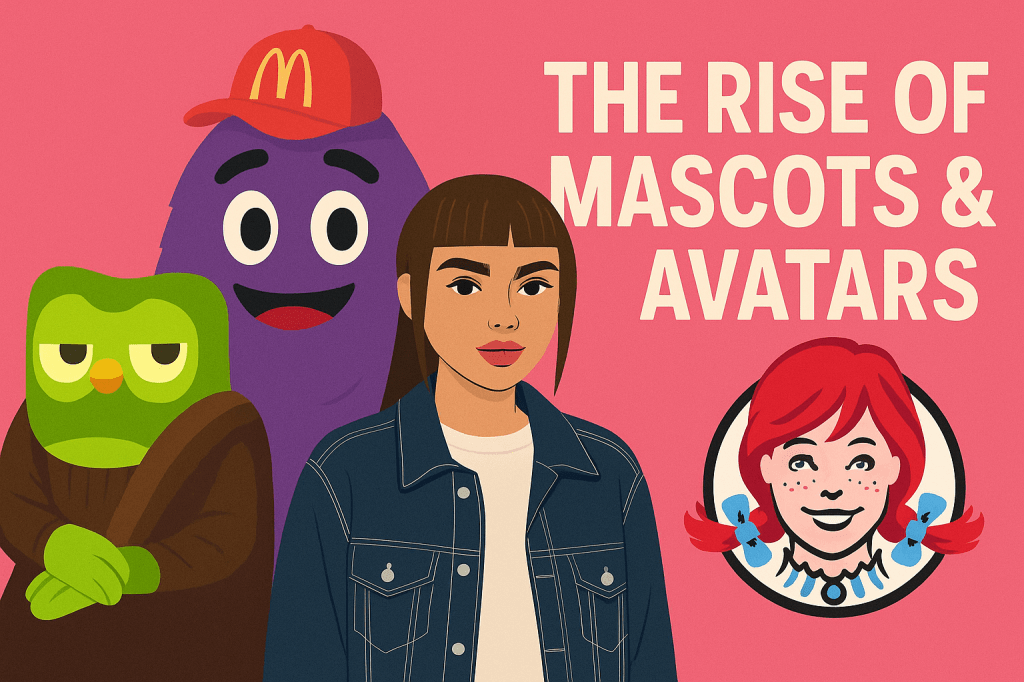
Remember when branding meant a sleek logo and a catchy slogan? Now, it means a green owl threatening your streak on TikTok or a purple blob named Grimace making teens drink purple milkshakes in his honor.
Welcome to the era of brand avatars and AI mascots – where brands are no longer just brands… they’re characters. And honestly? It’s kind of genius.
What Are Brand Avatars & AI Mascots?
In simple terms:
- Brand avatars are digital characters that represent a company, product, or vibe.
- AI mascots take it further, sometimes using generative AI to create content, chat, or even think like a brand extension.
They’re popping up everywhere: social media feeds, websites, ads, customer service bots, and even events. Think of them as brand reps that don’t need breaks, and never go off-script.
Brands That Are Doing It Right
Here’s who’s killing the mascot game:
🦉Duolingo’s Owl
Chaotic. Unhinged. Iconic.
Duolingo’s TikTok content transformed their harmless owl into a meme machine, and Gen Z loved it. It made language learning feel…un-serious (in the best way).
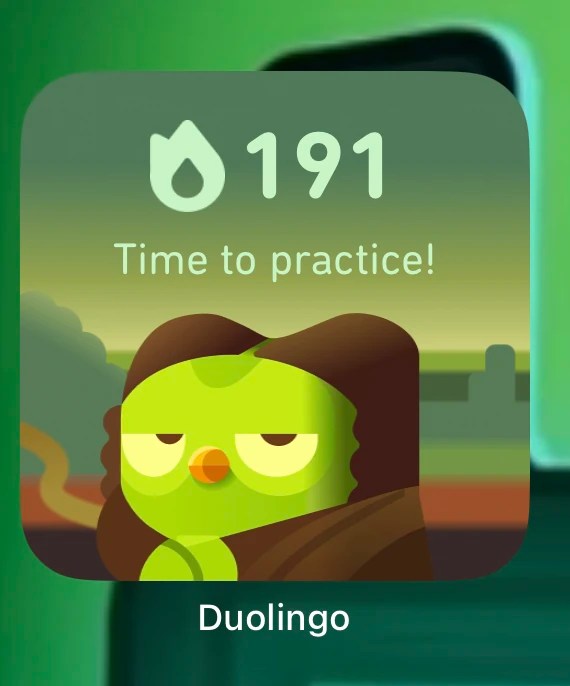
Duolingo’s owl isn’t just reminding you to practice, it’s serving Mona Lisa mood and meme energy. This is how you make a mascot unforgettable.
🤖 Lil Miquela
The OG AI influencer. She’s partnered with Prada, appeared in Calvin Klein ads, and somehow has more brand deals than most real humans. Is she a bit uncanny? Yes. But she’s effective.
What makes Lil Miquela different from mascots like Duolingo’s owl is her aspirational branding. She’s not just animated, she’s styled, staged, and storylined like any top influencer, except she’s not real… and that’s exactly the point.
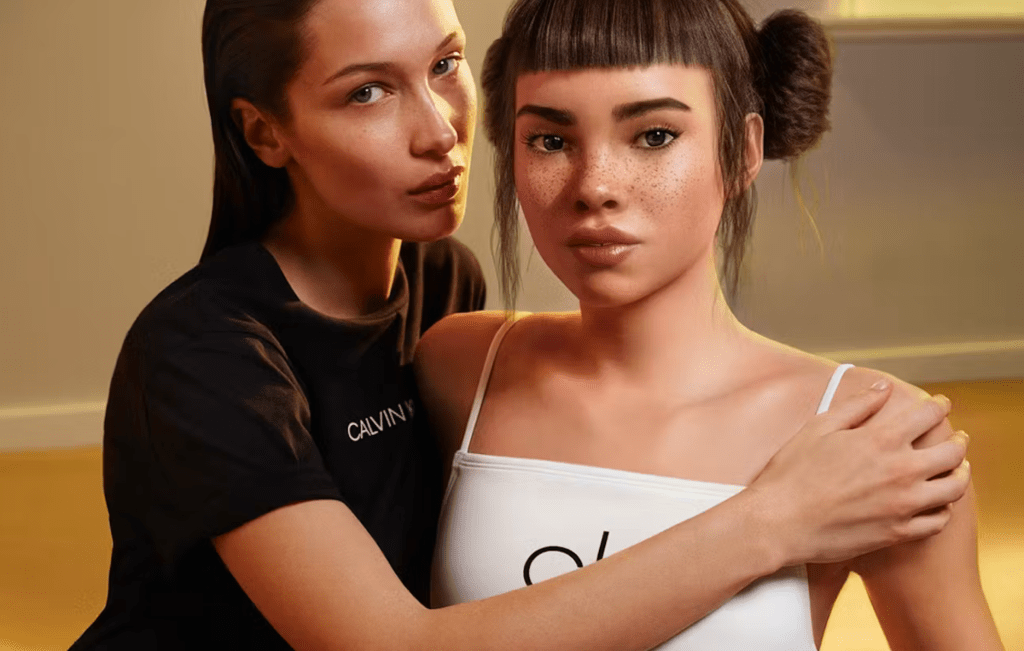
Lil Miquela—virtual influencer, fashion icon, and brand collaborator. A digital persona with real-world reach.
💄 Maybelline’s Mascara Bus
In a viral campaign, Maybelline created an AR-style video of a giant mascara brushing lashes on a moving bus and train. No face. No words. Just wildly aesthetic execution, and millions of views.
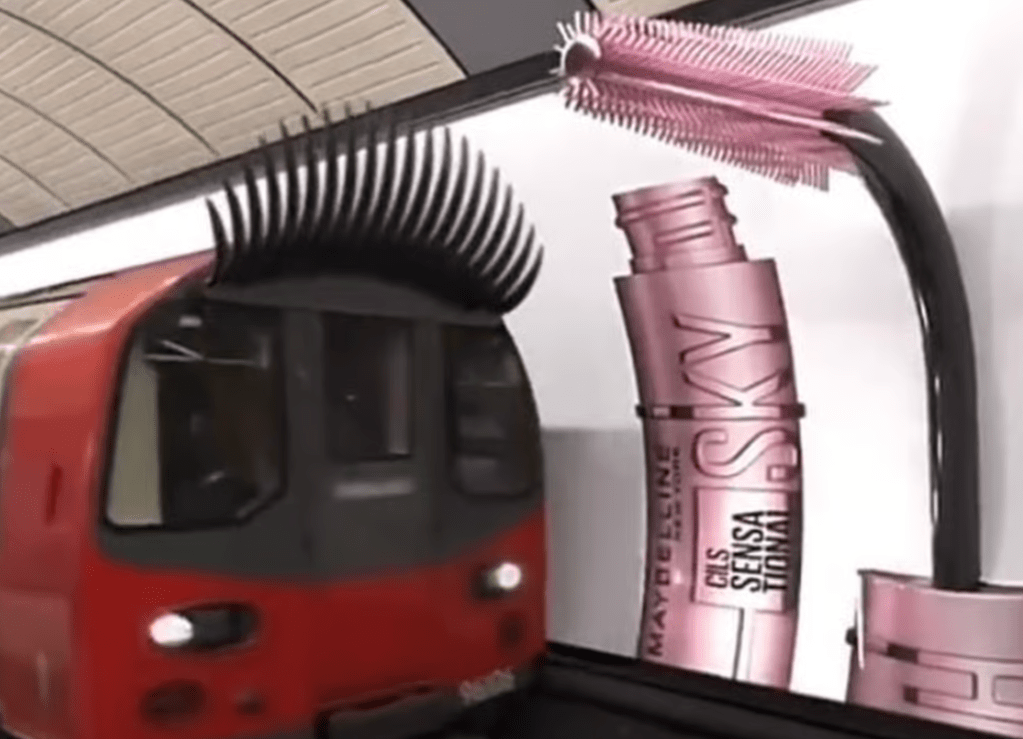
Maybelline’s viral 3D mascara bus campaign turned a moving ad into a surreal brand moment—blending AR-style visuals with real-world motion.
Watch the full campaign video here:
🎥 Maybelline London Mascara Bus Campaign
Maybelline’s branded bus with a giant mascara brush sweeping lashes onto the front of the vehicle, part of a viral beauty campaign.
🍔 Wendy’s Twitter Bot
The sassiest brand voice on social. Wendy’s uses a snarky mascot-style tone on Twitter/X that feels like a roast session mixed with fast food cravings.
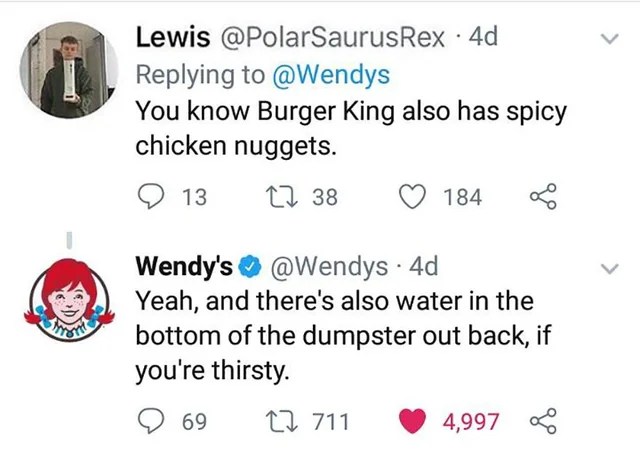
Wendy’s Twitter isn’t just social media, it’s performance art. Their savage tone has made the mascot’s voice unforgettable. Wendy’s didn’t just give its mascot a face, they gave her a voice. And that voice is witty, savage, and always on-brand. Their Twitter strategy turned Wendy’s into the queen of fast-food clapbacks, earning brand love (and headlines) one roast at a time.
🍇 McDonald’s Grimace
Who knew a 1970s character would come back as a meme? The Grimace Shake trend wasn’t even planned—but McDonald’s leaned in, showing how mascots can adapt and go viral when the moment strikes.
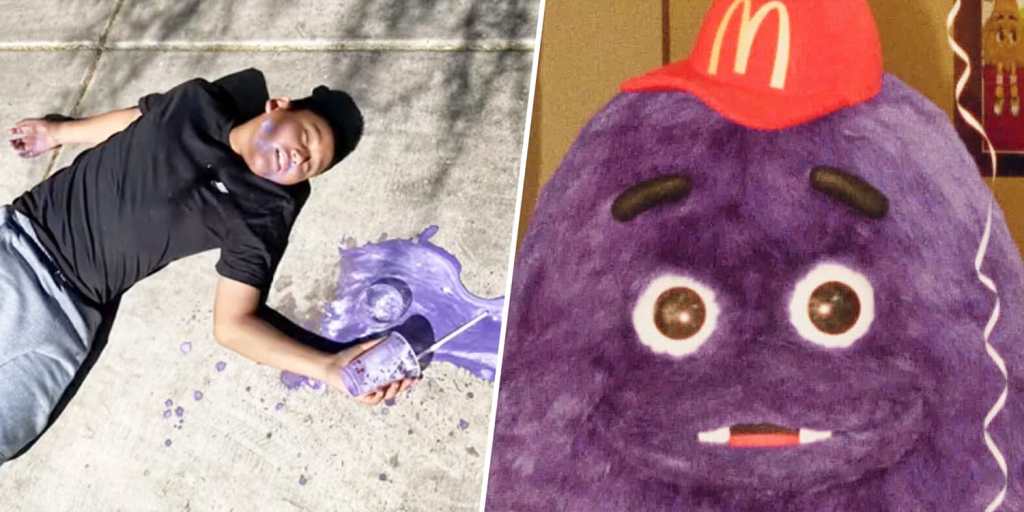
What started as a birthday shake ended up becoming a Gen Z horror meme. McDonald’s Grimace didn’t just trend—he took over the internet. Grimace’s accidental comeback shows that mascots don’t need to be perfect—they just need to be memeable. McDonald’s didn’t plan the chaos, but it embraced it—and that’s what made it work.
Why It Works
- It humanizes the brand.
Logos don’t talk. Mascots do. - It fits short-form chaos.
TikTok and Reels demand personality – and these characters deliver. - It creates built-in storytelling.
Mascots can evolve, react, and even “go rogue” in a way that keeps people watching. - It builds memory.
You don’t always remember the product, but you remember the owl.
When It Doesn’t
- When it feels forced.
A dancing mascot won’t save a boring brand voice. - When there’s no strategy.
Not every brand needs a sassy cartoon. The mascot should align with your product and audience. - When it replaces authenticity.
Audiences can sniff out a gimmick. The best mascots add to the brand—not distract from it.
So… Genius or Just a Trend?
Honestly? Both.
Brand mascots aren’t new. But today, they’re being reborn through AI, social media, and meme culture. The smart brands are embracing that shift, and giving their audiences something (or someone) to connect with.
Mascots aren’t just weird characters anymore. They’re content creators, community builders, and brand voices all rolled into one.
So whether it’s a sarcastic owl or a futuristic AI rep—it might just be time to let your brand talk back.
Closing Thought:
If you’re still debating whether mascots are cringe or clever… just scroll through TikTok. The brands people remember aren’t the ones with the best products.
They’re the ones with the best personality.
 Mansi's Blog
Leave a comment