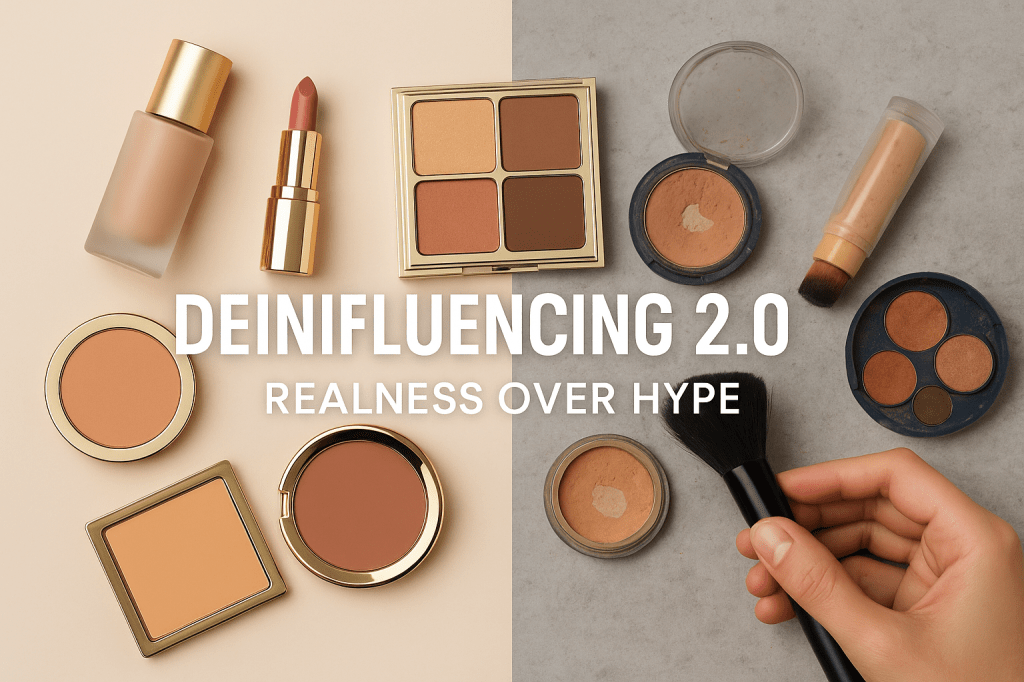
In a world of hyper-curated content and “must-have” hauls, a surprising new trend is rewriting the rules of influencer marketing: deinfluencing.
Once dismissed as a momentary rebellion against viral hype, deinfluencing has evolved into a long-term strategy — one where realness beats reach and honesty drives conversions. In 2025, this movement isn’t just about calling out overpriced products. It’s about trust, transparency, and telling people what actually works.
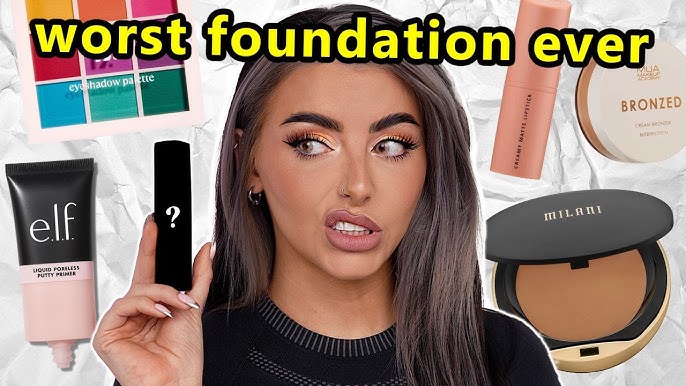
Deinfluencing content like this has exploded on TikTok — calling out overhyped products and promoting transparency.
Makeup Dupes and the Power of “Don’t Buy This”
A scroll through TikTok today tells you everything:
“You don’t need this $80 foundation. Try this $20 drugstore dupe instead — Exact same coverage and it lasts all day.”
Sound familiar? That’s deinfluencing at its best. These videos – often shot in someone’s car or bathroom mirror, are low-fi, unfiltered, and wildly effective. They’re relatable because they reflect real experiences, not brand deals.
And people love it.
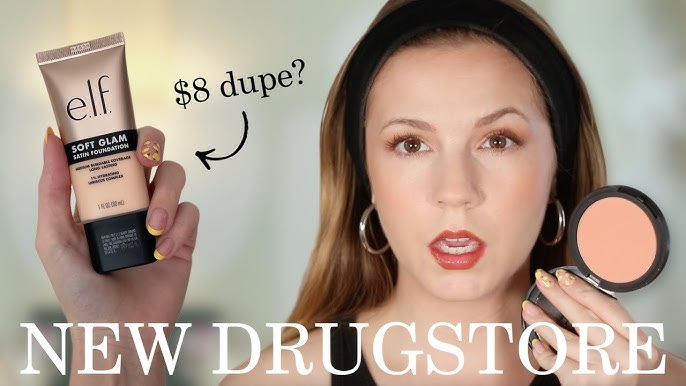
Creators now frame affordable alternatives as smart swaps — not compromises
Deinfluencing content often includes:
- Drugstore dupes over high-end hype
- Anti-hauls (what not to buy)
- Product regrets and honest reviews
- Transparency around affiliate links (“I get a commission, but here’s the full truth”)
Gen Z Doesn’t Want to Be Sold To — They Want to Be Respected
This shift is being led by Gen Z — a generation fluent in both aesthetics and BS detection. They grew up watching influencer scandals, ads disguised as recommendations, and unrealistic standards sold as self-care.
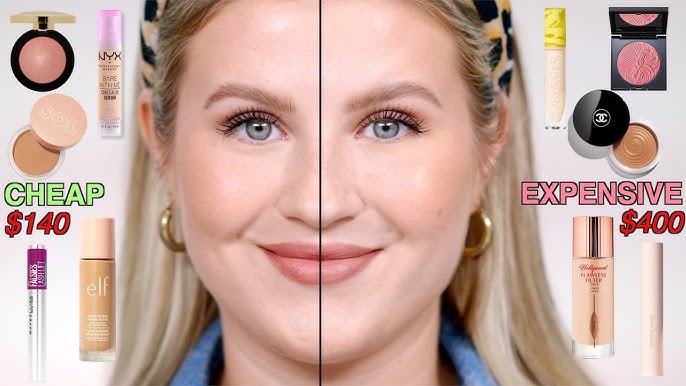
Side-by-side comparisons help audiences evaluate performance, not just branding.
So now? They’re asking for:
- Honesty over perfection
- Function over trendiness
- Products that actually work for their skin, body, or lifestyle — not just influencers
According to HubSpot’s 2025 State of Marketing Report, 68% of consumers say they trust creators who include cons as well as pros in their reviews. That trust translates into engagement — and often, sales.
The Rise of Micro and Nano Influencers
Big followings don’t equal big trust anymore. Micro (10K–100K) and nano (<10K) influencers are thriving because they:
- Feel like friends, not celebrities
- Have niche credibility
- Post genuinely — sometimes even unsponsored
- Create high-engagement conversations in comments and DMs
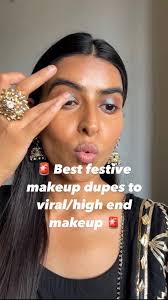
Creators across cultures are tapping into the dupe trend for relevance and relatability.
In the beauty space, creators like these are posting side-by-side comparison swatches, talking openly about skin type mismatches, and warning viewers not to fall for every Instagram reel.
And brands are finally paying attention.
What Smart Brands Are Doing Differently
Deinfluencing isn’t a threat. It’s a wake-up call — and an opportunity.
✅ Brands that win today:
- Partner with creators who already use their products
- Encourage honest feedback, not just glowing praise
- Create campaigns around value, not vanity
- Share both premium and affordable options (dupes included)
❌ Brands that lose:
- Script influencer content
- Over-edit campaigns to perfection
- Fear transparency or user criticism
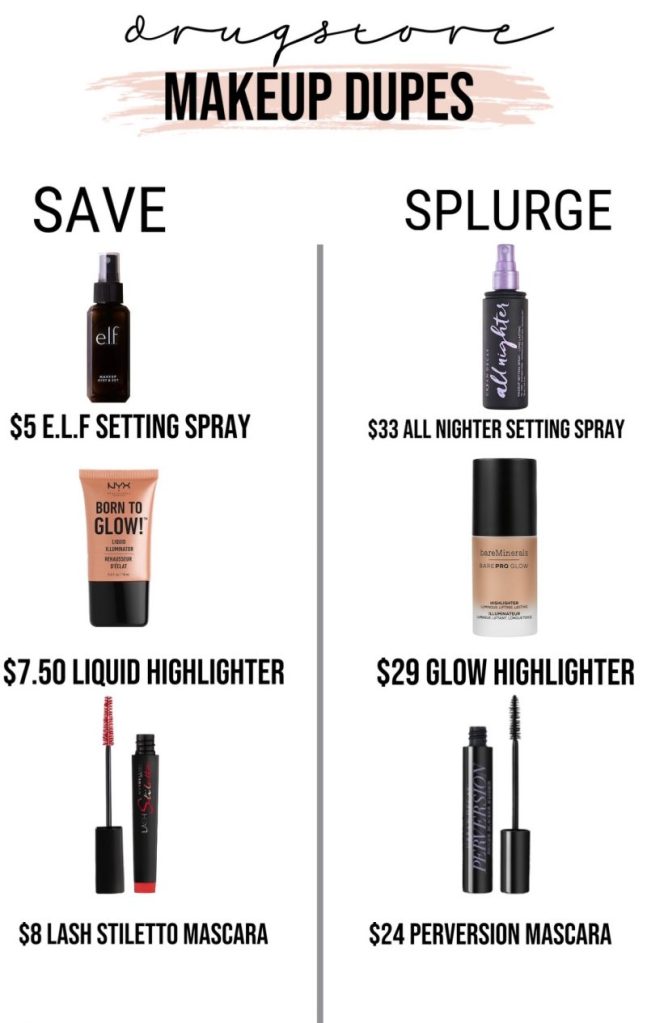
Visual dupe guides like these are both educational and persuasive — and highly shareable.
Real Influence Means Real Talk
Deinfluencing 2.0 isn’t about canceling brands — it’s about empowering consumers. The brands that embrace this shift will earn loyalty that no giveaway or glossy ad can buy.
So if you’re building a brand or leading a campaign in 2025, ask yourself:
“If a creator shared the full truth about our product — the good and the bad — would we still be proud of it?”
If the answer is yes, congratulations. You’re marketing with integrity. And in this new era, that’s exactly what sells.
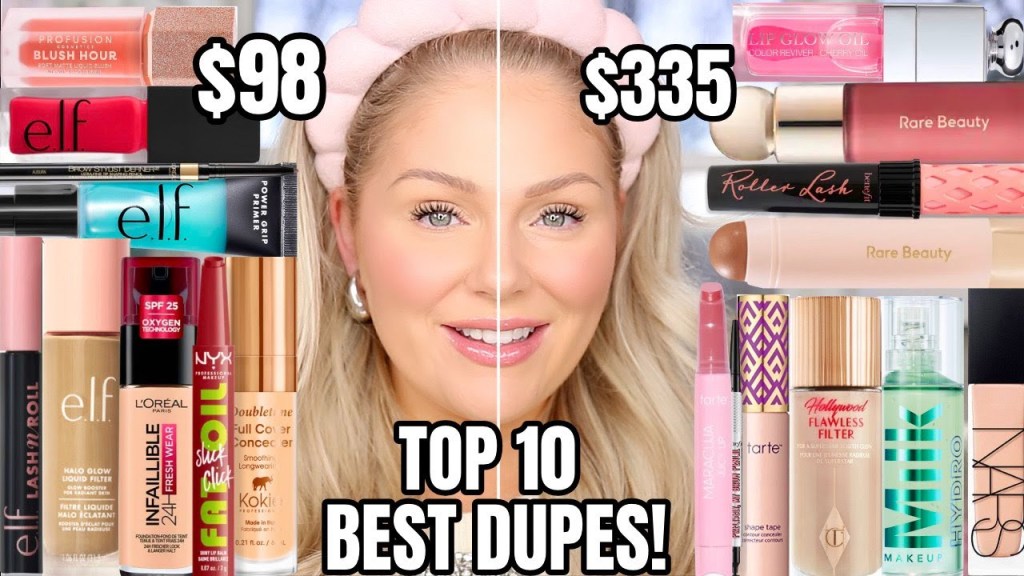
Deinfluencing content often highlights how much consumers can save — without sacrificing quality.
Final ThoughT
Deinfluencing is no longer just a momentary backlash, it’s a mindset shift.
In 2025, consumers are no longer impressed by flawless flat lays or overproduced product reviews. They’re looking for real experiences, honest feedback, and content that puts their needs before a brand’s bottom line.
And that’s the beauty of this movement: it isn’t about rejecting products, it’s about rethinking how we talk about them.
Whether you’re a marketer, creator, or everyday consumer, one thing is clear:
Trust is the new influence.
The brands that lean into transparency, embrace imperfection, and invite honest conversations won’t just survive this shift, they’ll lead it.
🤝 Let’s Connect
If you found this post helpful, I’d love to hear your thoughts!
Whether you’re a fellow marketer, creator, or just curious about how platforms like LinkedIn are evolving — let’s keep the conversation going.
📩 DM me on LinkedIn
📬 Check out more work on mansikamboj.com
💬 Or drop a comment below — I respond to every one.
 Mansi's Blog
Leave a comment