The Quest for Strawberry Matcha Latte: A Lesson in Digital Expectations vs. Reality
As a digital marketing student, I’ve learned that expectation setting is everything—whether it’s through branding, social media, or, in this case, a highly anticipated strawberry matcha latte.
My friend and I had our hearts (and taste buds) set on trying a specific drink from a café we had seen online. Armed with the power of user-generated content and Instagram recommendations, we navigated through the PATH train at 33rd Street, got off at 9th Street, and walked a few blocks, fully expecting to live out our aesthetic matcha dreams.
And then—plot twist—they didn’t have it anymore.
💬 “Wait, what? But it’s all over their Instagram!”
💬 “So we just… pivot now? Are we in a business strategy meeting?”
In marketing, we talk a lot about consistent brand messaging—and let’s just say, this was a prime example of why real-time menu updates matter.
A Lucky Find: Blank Street Café
With our original content strategy (aka matcha plan) disrupted, we did what any adaptable consumer would do—we searched for a good alternative.
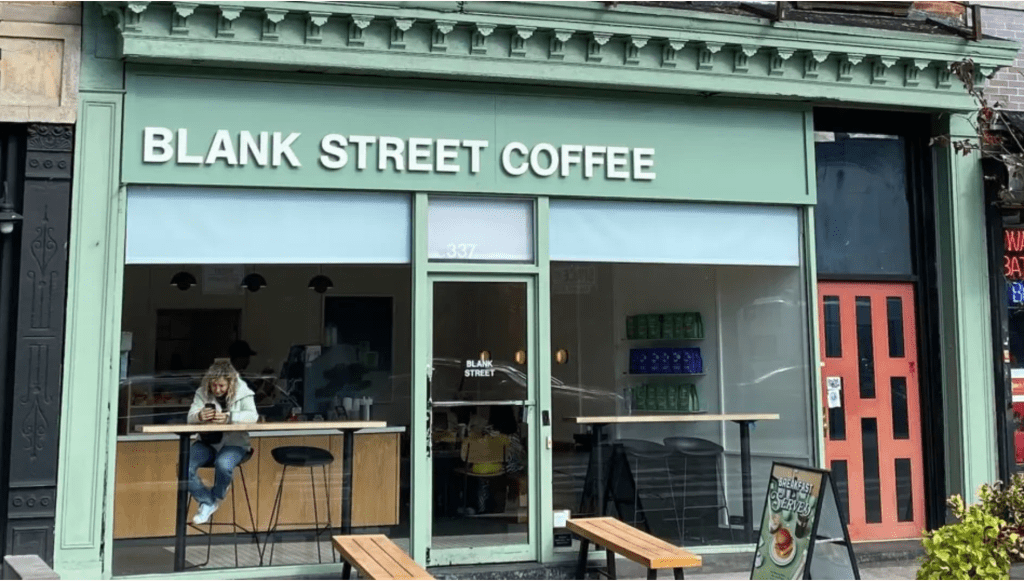
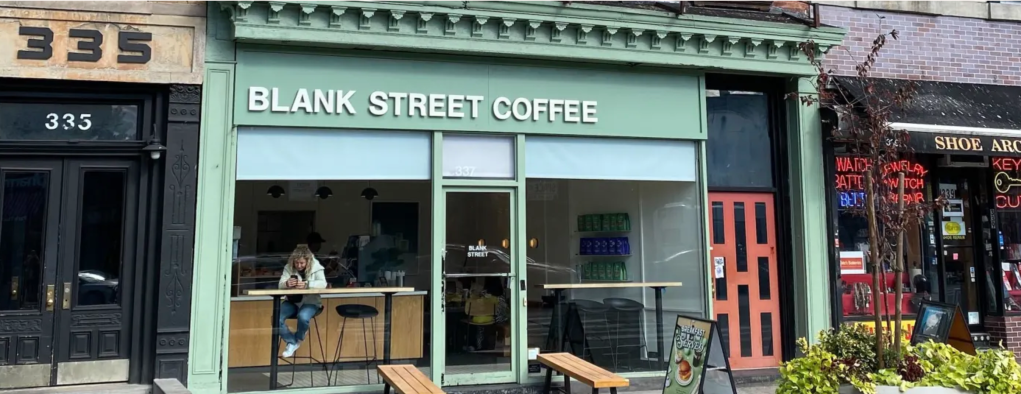
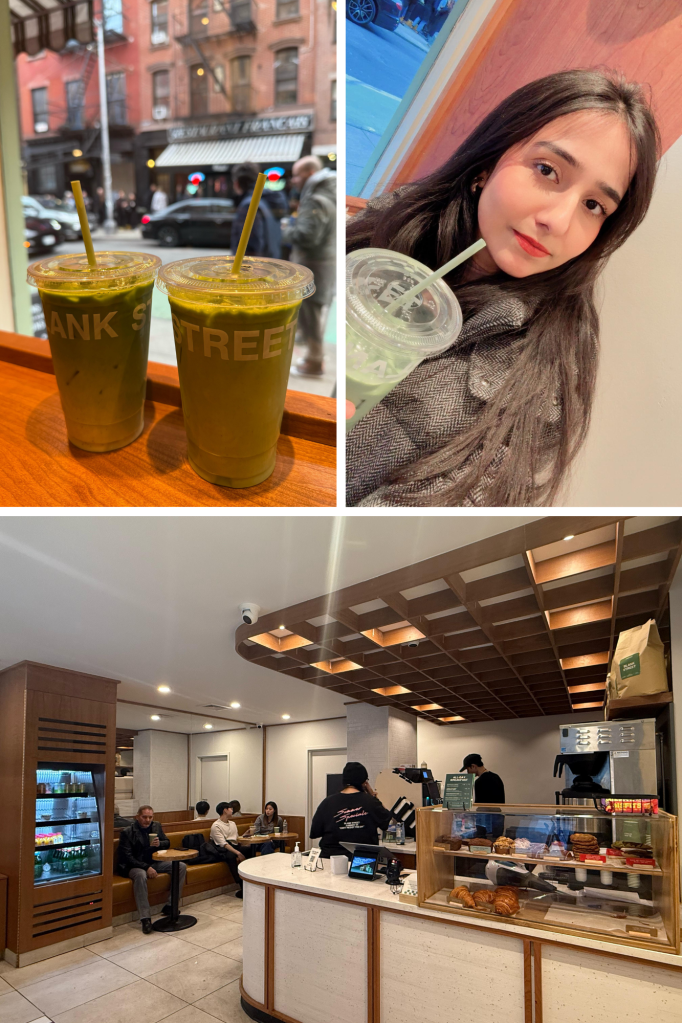
After a few blocks of exploring (aka unplanned market research), we stumbled upon Blank Street Café (21st & 9th)—a small, minimalist spot that was packed with people.
✔️ High foot traffic = positive customer perception
✔️ Aesthetic interior = highly marketable & Instagrammable
✔️ A menu that included a White Chocolate Matcha Latte = Close enough
At this point, we were too deep in the matcha commitment to turn back, so we decided to try it.
First Impressions: White Chocolate + Matcha = A Soft Rebrand
☕ Taste Test Verdict:
- Smooth, lightly sweet, and very… light.
- Did it have the wow factor? Not really.
- Was it bad? Also no.
- Would I order it again? Maybe, but only if I was in the mood for something super mild.
The white chocolate added a subtle sweetness, but the matcha itself was so delicate that it barely made a statement. It felt like a soft brand refresh instead of a bold rebranding campaign—not bad, just not memorable enough to be a core product.
💬 “This is like when a brand promises an ‘exciting new feature’ and it’s just a color change.”
💬 “Perfect for someone who likes matcha, but doesn’t want it to be too matcha.”
The Galentine Building Confusion: When Google Maps Loses the Plot
Now, here’s where things got even more interesting.
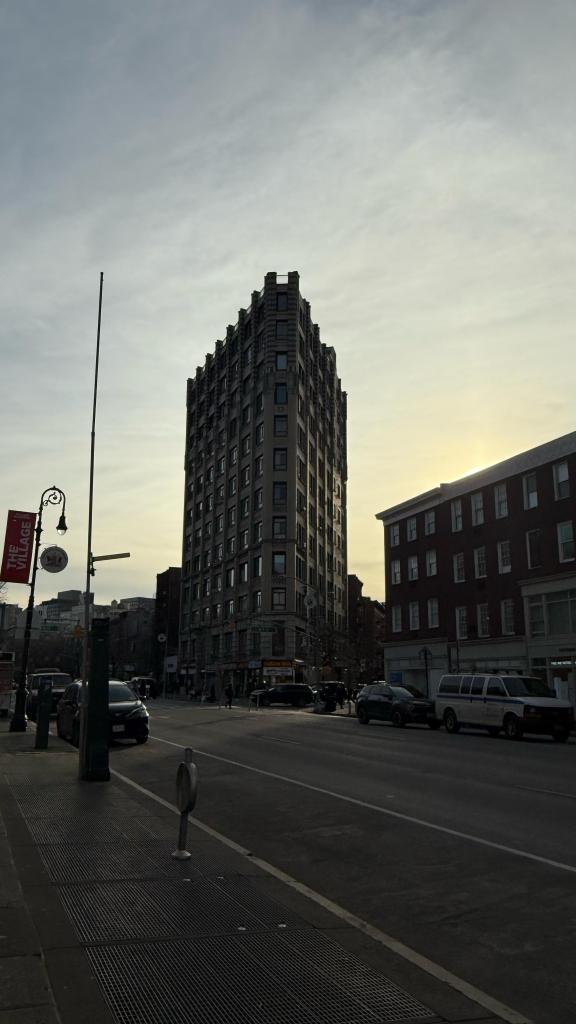
While walking toward our unknown destination, I spotted a building that looked exactly like the Flatiron Building. For a moment, I genuinely thought we had teleported to 23rd Street.
💬 “Wait… are we at the Flatiron? How did we get here?”
💬 Pulls out Google Maps.
💬 Google also seems confused.
Turns out, it wasn’t the Flatiron at all—it was the Galentine Building. And if I was fooled, and Google was fooled, how many other people had also done a double take?
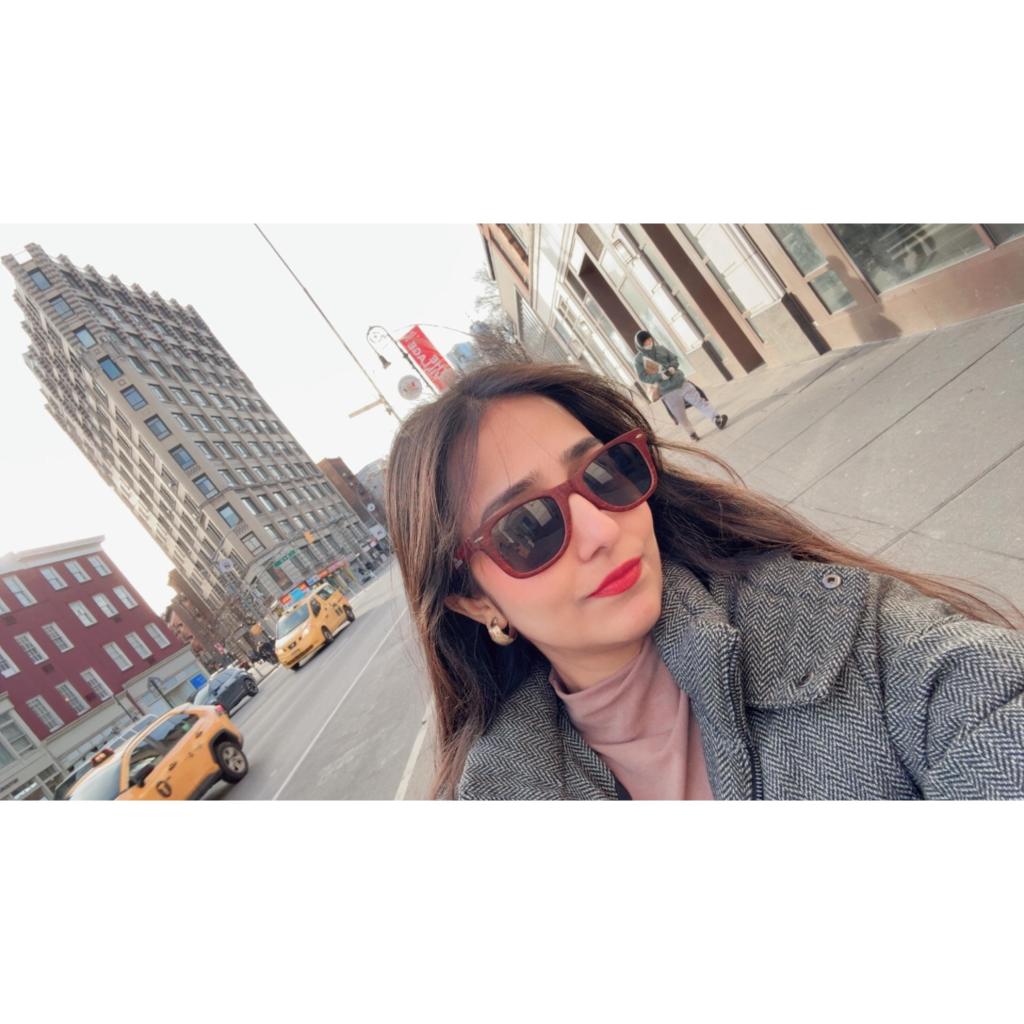
📍 Google Maps: 404 Not Found.
This made me think about branding and visual identity—when something looks so much like an established icon, does it help or hurt recognition? Because let’s be real, if Galentine Building rebranded itself as “The Brooklyn Flatiron,” they could corner an entire niche of lost tourists.
Final Thoughts: A Fun Experience, A Decent Drink, and a Reminder That Digital Presence Matters
Despite the matcha misadventures, this was a prime example of how consumer experiences are shaped by branding, expectations, and social proof:
✔️ Keep your online content up to date – If something is off the menu, let people know.
✔️ Social proof matters – A crowded café naturally makes people assume it’s worth trying.
✔️ Google Maps can and will betray you – Sometimes even AI gets confused.
✔️ The experience is often more memorable than the product – And that’s exactly why brand storytelling works.
📍 Blank Street Café, NYC
📍 Location: 172 9th Avenue, New York, NY, 10011
📍 Website: Blank Street Café
💬 Have you ever been led astray by an outdated menu or had Google Maps send you somewhere unexpected? Let’s talk about it in the comments! 😂
 Mansi's Blog
Leave a comment